Air Source Heat Pumps Explained: Are They Right for Your Home?
Air Source Heat Pumps Explained: Are They Right for Your Home?
Air source heat pumps are becoming an increasingly popular choice for homeowners looking to improve energy efficiency, reduce reliance on traditional heating systems and make their property more sustainable.
They work differently from gas boilers, but when installed correctly, they can provide reliable heating and hot water throughout the year.
If you are thinking about upgrading your home heating system, it is important to understand how air source heat pumps work, what benefits they offer, and whether they are suitable for your property.
What Is an Air Source Heat Pump?
An air source heat pump is a renewable heating system that takes heat from the outside air and uses it to warm your home.
Even when the weather feels cold, there is still heat energy in the air. The heat pump extracts this energy, increases its temperature, and transfers it into your heating system.
Air source heat pumps are commonly used to provide:
Home heating
Hot water
Underfloor heating support
Radiator heating support
Lower carbon heating
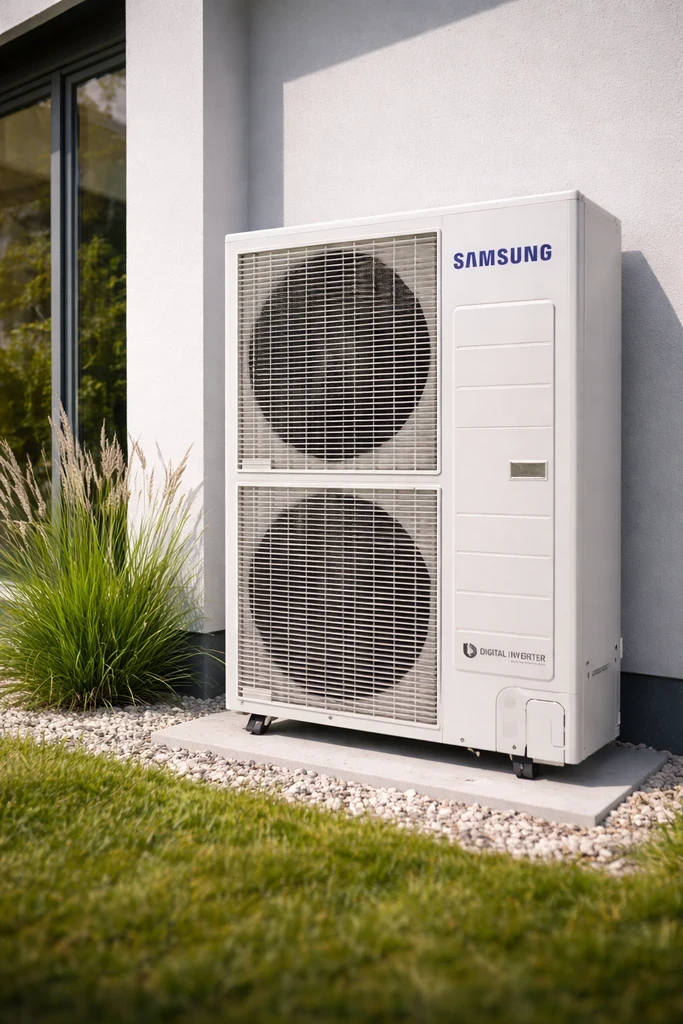
They are usually installed outside the property, often at the side or rear of the home.
How Do Air Source Heat Pumps Work?
Air source heat pumps use electricity to move heat rather than generate heat directly.
The system pulls in outside air and passes it over a refrigerant. This refrigerant absorbs heat from the air and is then compressed, which raises its temperature.
The heat is then transferred into your home through your central heating and hot water system.
This process allows an air source heat pump to produce more heat energy than the electrical energy it uses.
Are Air Source Heat Pumps Suitable for UK Homes?
Air source heat pumps can work well in many UK homes, but suitability depends on the property.
Before installation, several things should be assessed, including:
The size of the property
The level of insulation
Existing radiators or underfloor heating
Available outdoor space
Current heating demand
Hot water requirements
Roof, wall and window insulation
Properties with good insulation usually perform better with heat pump systems because they retain heat more effectively.
If your home loses heat quickly, you may need insulation improvements before installing a heat pump.
Benefits of Air Source Heat Pumps
Air source heat pumps offer a range of benefits for homeowners who want a more efficient and modern heating system.
Lower Energy Use
Because heat pumps move heat rather than create it from fuel, they can be highly efficient when properly installed and set up.
Reduced Carbon Output
Air source heat pumps do not burn gas or oil inside the home. This makes them a lower carbon heating option compared with many traditional systems.
Year Round Heating
Air source heat pumps are designed to work throughout the year, including during colder months.
Lower Running Costs
Running costs depend on your property, electricity tariff and heating habits, but an efficient heat pump system can help reduce energy waste over time.
Less Reliance on Gas
For homeowners looking to move away from gas heating, an air source heat pump can be a practical alternative.
Can an Air Source Heat Pump Replace a Boiler?
In many homes, an air source heat pump can replace a traditional boiler.
However, the system needs to be designed correctly. Heat pumps usually work best at lower flow temperatures, which means the heat is delivered more gradually than with a traditional gas boiler.
This can mean that some homes benefit from:
Larger radiators
Underfloor heating
Better insulation
Improved controls
A correctly sized hot water cylinder
A professional assessment will help confirm whether your current heating system is suitable or whether upgrades are needed.
Do Air Source Heat Pumps Work in Winter?
Yes, air source heat pumps can work in winter.
They are designed to extract heat from outside air even when temperatures are low. However, performance can vary depending on the system, the quality of installation and how well the property holds heat.
This is why proper design and installation are essential.
A heat pump that is too small, poorly positioned or incorrectly connected may struggle to heat the property efficiently.
What Properties Are Best Suited to Air Source Heat Pumps?
Air source heat pumps are often well suited to homes that have:
Good insulation
Double or triple glazing
Suitable outdoor space
Modern radiators or underfloor heating
A consistent heating demand
Space for a hot water cylinder
They can also be suitable for older homes, but extra work may be needed to improve performance.
This could include upgrading insulation, replacing radiators or improving heating controls.
Why Professional Installation Matters
Air source heat pumps need to be carefully designed, installed and commissioned.
A professional installer will assess your property, calculate heat demand, choose the correct system size and make sure the setup is suitable for your home.
Poor installation can lead to:
Higher running costs
Poor heating performance
Uncomfortable room temperatures
System strain
Reduced efficiency
Unnecessary future repairs
A well installed system can provide reliable, efficient heating for many years.
Air Source Heat Pumps and Solar Panels
Air source heat pumps can work well alongside solar panels.
Solar panels generate electricity, while heat pumps use electricity to run. When combined correctly, the two systems can help reduce reliance on grid energy and support a more efficient home.
This can be especially useful for homeowners who want to make long term energy improvements to their property.
Why Choose GPS Contractors?
GPS Contractors provides professional heat pump services for homeowners looking to improve their heating system and reduce energy waste.
With experience across renewable energy, electrical works, roofing and property services, GPS Contractors can help assess the wider needs of your home before installation.
This joined up approach helps ensure your heat pump is planned properly and installed with the rest of your property in mind.
GPS Contractors can help with:
Air source heat pump advice
Property suitability checks
System planning and installation
Renewable energy upgrades
Heating system improvements
Ongoing support and maintenance
Is an Air Source Heat Pump Right for Your Home?
An air source heat pump could be a strong option if you want a more efficient, lower carbon heating system and your property is suitable for installation.
The best way to find out is to arrange a professional assessment.
GPS Contractors can review your home, explain your options and recommend the most suitable heating solution for your needs.
Contact GPS Contractors today to discuss air source heat pump installation for your home.