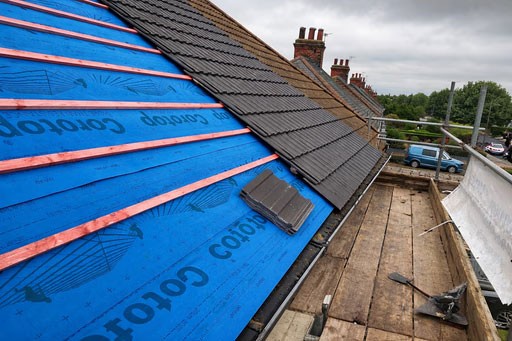
Autumn Property Maintenance Checklist: What to Check Before Winter

Autumn Property Maintenance Checklist: What to Check Before Winter
Autumn is one of the most important times of year to check the condition of your property. As temperatures begin to fall and wetter weather becomes more frequent, small maintenance problems can quickly turn into larger and more expensive repairs.
A loose roof tile, blocked gutter, minor leak or heating fault may be easy to overlook during warmer months. Once winter arrives, however, heavy rain, strong winds, frost and colder temperatures can put additional pressure on your home or commercial building.
Carrying out a few essential checks during autumn can help protect your property, reduce the risk of unexpected breakdowns and make sure important systems are ready for the months ahead.
Here is a practical autumn property maintenance checklist covering roofing, drainage, heating, electrics, solar panels and general repairs.
Why Autumn Property Maintenance Matters
Winter weather can expose weaknesses that may not have caused obvious problems during spring and summer. Water can find its way through damaged roofing, blocked drainage can overflow, heating systems can fail when they are needed most and exterior damage can worsen during periods of wind and frost.
Autumn gives property owners an opportunity to identify these issues early. Preventative maintenance is often simpler and more cost effective than dealing with emergency repairs after damage has already occurred.
A seasonal property check can help:
Reduce the risk of leaks and water damage
Keep heating systems working efficiently
Identify electrical faults before winter
Prevent drainage and gutter problems
Protect exterior surfaces from worsening weather
Reduce the likelihood of emergency callouts
Help maintain the overall condition and value of your property
Check Your Roof Before Winter
Your roof is the first line of defence against winter weather, so autumn is a sensible time to check for visible signs of damage.
Roof problems can develop gradually and may not be obvious from inside the property until water starts to enter. Checking the roof before prolonged periods of rain can help prevent minor defects becoming more serious.
Things to look out for include:
Slipped, cracked or missing roof tiles
Loose ridge tiles
Damaged flashing around chimneys, vents and roof joints
Cracks or blistering on flat roof surfaces
Signs of pooling water
Moss and debris buildup
Damage around skylights
Leaks, damp patches or staining inside the property
If anything looks damaged or uncertain, arranging a professional inspection before winter can help identify the cause and determine whether repairs are required.
Clear Gutters and Check Drainage
Autumn leaves can quickly block gutters, downpipes and drainage channels. When rainwater cannot flow away properly, it may overflow onto walls, fascias, brickwork or foundations.
Over time, poor drainage can contribute to damp, staining, mould and water ingress. It can also place unnecessary pressure on roofline components.
Before winter, check that gutters are clear and securely fixed. Downpipes should also be checked for blockages, cracks and loose connections.
Around the property, make sure drains and gullies are free from leaves, mud and debris. Water should be able to move away from the building without collecting against walls or entrances.
Test Your Heating System
Heating systems often see very little use during summer, which means problems may only become noticeable when temperatures begin to drop.
Testing your heating system in autumn gives you time to identify faults before the coldest part of the year.
Turn the system on and check that rooms are heating as expected. Listen for unusual noises and pay attention to any error messages, cold areas or unexpected changes in performance.
For properties with an air source heat pump, autumn is also a good opportunity to check the outdoor unit. Make sure it is clear from leaves, plants and debris so airflow is not restricted.
If your heating system is not performing normally, arranging an inspection early can help avoid being left without reliable heating during colder weather.
Check Your Solar Panel System
Solar panels continue generating electricity throughout autumn and winter, although shorter days and lower levels of sunlight mean generation will naturally vary throughout the year.
Autumn is a useful time to check that your system is operating normally before daylight hours reduce further.
Check your monitoring system or inverter for warning messages and compare recent performance with what you would normally expect for the time of year.
You should also look for obvious issues such as:
Visible damage to panels
Loose or exposed cabling
Unexpected drops in generation
Inverter warning lights or error codes
Heavy dirt or debris affecting the panels
Signs of bird activity beneath the array
If your solar system appears to be underperforming, professional servicing can help identify whether there is an electrical, inverter, panel or connection issue.
Inspect Your Property's Electrics
Electrical systems are used heavily during the darker months. Lighting is on for longer, heating equipment may be in use and homes and businesses often rely on more electrical appliances throughout winter.
Autumn is a good time to pay attention to any warning signs that could indicate an electrical problem.
These may include:
Flickering lights
Frequently tripping circuits
Loose sockets or switches
Burning smells or unusual heat around fittings
Damaged outdoor lighting
Exposed or damaged cables
Water near outdoor electrical equipment
Electrical faults should always be assessed by a qualified professional. If you notice anything unusual, do not wait for the problem to become more serious.
Check Outdoor Lighting
With daylight hours becoming shorter, exterior lighting becomes more important for homes, businesses and commercial premises.
Check that entrance lights, security lighting, car park lighting and pathway lights are working properly. Replace failed lamps where appropriate and look for damaged fittings or signs of water ingress.
Good exterior lighting can improve visibility, make access safer and help maintain security throughout the darker months.
Look for Draughts and Gaps
Cold draughts can make a property less comfortable and may cause heating systems to work harder than necessary.
Check around windows, doors, loft hatches and other openings for obvious gaps. Pay particular attention to damaged seals or areas where existing sealant has cracked or pulled away.
Small repairs can improve comfort and help stop rainwater from reaching vulnerable parts of the building.
Check for Damp and Water Ingress
Damp problems often become more noticeable during colder and wetter weather. Identifying the source early can prevent further damage to walls, ceilings, insulation and finishes.
Walk through the property and look for:
Damp patches on ceilings or walls
Peeling paint or wallpaper
Musty smells
Mould growth
Staining around windows or doors
Water marks in loft spaces
Moisture around roof joints or chimneys
The visible damp patch is not always directly below the source of the problem. Water can travel through roof structures, walls and insulation before becoming visible, which is why professional investigation may be needed.
Inspect Doors, Windows and Exterior Sealant
Doors and windows help protect the property from rain, wind and cold air. Over time, seals, frames and exterior joints can deteriorate.
Check that doors and windows close correctly and that seals remain in good condition. Look for cracked sealant, damaged frames and areas where rainwater may be entering.
Exterior joints around vents, pipes and other openings should also be checked. Repairing small gaps before winter can reduce the risk of moisture entering the building.
Check External Walls and Brickwork
Take a walk around the outside of your property and inspect visible walls, brickwork and rendered areas.
Look for cracks, loose material, damaged pointing and areas where water appears to be collecting. Problems that seem minor in autumn can become worse when water enters cracks and temperatures fall.
Addressing external defects early can help protect the building fabric and reduce the chance of more extensive repairs later.
Do Not Forget General Property Repairs
Autumn maintenance is not only about major systems. It is also a useful time to complete smaller jobs that may have built up throughout the year.
These could include repairing damaged doors, replacing broken fittings, fixing interior damage, making good damaged plasterboard, repairing sealant or dealing with general wear around the property.
Completing these jobs before winter can keep your property in better condition and stop minor defects from being forgotten until they become more disruptive.
Autumn Maintenance for Commercial Properties
Commercial buildings can benefit from the same seasonal checks, particularly where faults could affect staff, customers, tenants or day to day operations.
For offices, retail units, warehouses, communal areas and other commercial properties, autumn maintenance may include roof inspections, drainage checks, lighting repairs, electrical works, heating checks and general building repairs.
Planning maintenance before winter can reduce disruption and make it easier to schedule work before urgent faults arise.
For landlords and managing agents, regular seasonal checks can also help identify issues before they develop into larger maintenance requests.
Why Fixing Small Problems Early Can Save Money
Many expensive property repairs begin as relatively small problems.
A slipped roof tile can eventually lead to water damage. A blocked gutter can contribute to damp. A minor electrical fault can become more disruptive. A small exterior crack can allow moisture into the building.
The earlier these issues are identified, the more options there are for dealing with them before additional damage occurs.
Regular property maintenance is not about carrying out unnecessary work. It is about understanding the condition of your building and acting when repairs are actually needed.
Your Autumn Property Maintenance Checklist
Before winter arrives, work through these essential checks:
Inspect the roof for damaged or missing tiles
Check flat roof surfaces and flashing
Clear gutters and downpipes
Make sure drains are flowing freely
Test the heating system
Check air source heat pump units for debris
Review solar panel performance
Look for electrical warning signs
Test outdoor and security lighting
Check doors and windows for gaps
Look for damp and water ingress
Inspect exterior walls and brickwork
Complete outstanding general repairs
Get Your Property Ready for Winter With GPS Contractors
GPS Contractors provides a wide range of property services for residential and commercial customers, helping keep buildings safe, efficient and well maintained throughout the year.
With services covering roofing, electrical works, solar panels, air source heat pumps, interiors and general property maintenance, the team can help identify and resolve a wide range of issues before winter weather makes them worse.
Whether you need a roof repair, electrical work, solar servicing, heating support or general maintenance, arranging work during autumn can help prepare your property for the colder months ahead.
Contact GPS Contractors today to discuss property maintenance and repairs for your home, business or commercial property.